
Companies are making AI decisions right now that they will not easily walk back. Which model to commit to. Which vendor to sign with for the next three years. Whether to build an agentic AI system in-house or buy one. Whether the AI features shipping this quarter are actually working — or just looking like they are. These are executive-level calls, and most teams are making them without executive-level AI judgment in the room.

This is not a generic technology executive renamed for the moment. It is AI depth — the kind that knows when a benchmark is real and when it is theater, when agentic will fix the problem and when simpler, less costly solutions will prevail, and when a vendor’s roadmap is about to strand you.

How the work shows up
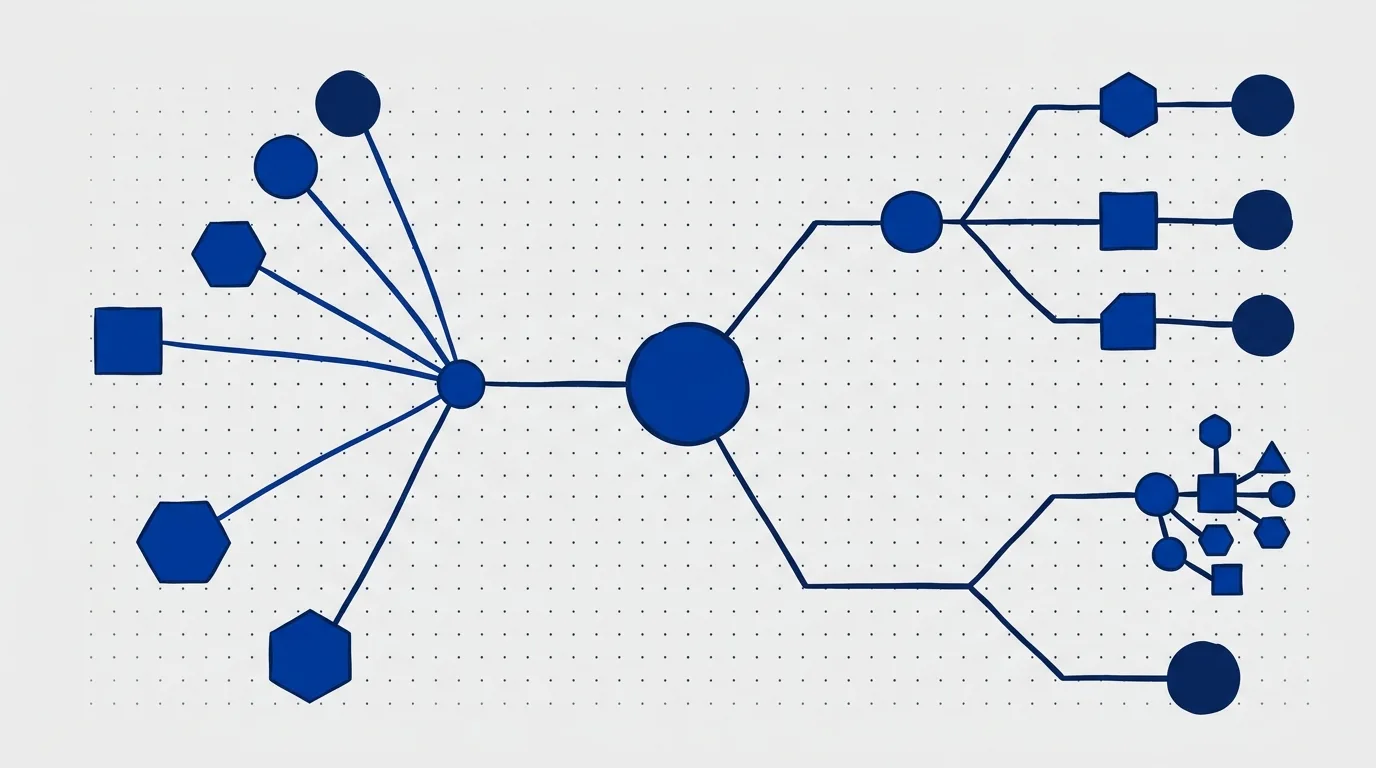
Abstract diagram of branching AI decision paths representing model, vendor, and build-or-buy commitments.

Every engagement is shaped to the situation, but the workstreams are familiar: AI strategy and roadmap the board can read; model selection and vendor evaluation; build-versus-buy decisions across the AI stack; responsible AI and governance frameworks proportionate to your risk; AI team structure, leveling, and senior hiring; and board-level communication on what your AI investments will and will not deliver this year.

On architecture specifically: agentic AI and search systems that hold up under real query loads and real data, evaluation pipelines that let you measure whether AI features are actually working, and an honest read on where multi-model and multi-agent approaches help versus where they add complexity without payoff.

If you do not have an AI function yet, we help you decide what to build in-house, what to outsource, what to buy off the shelf, and who to hire first.

Who this is for

Most of our CAIO work starts in one of four places:

  • Founders & small teams — AI-first product companies turning a demo into a production system, or non-AI products deciding where AI actually belongs in the roadmap.
  • Search & AI builders — Agentic AI, search, and AI-native products where the architecture and evaluation discipline determine whether the product works.
  • M&A due diligence — independent AI technical due diligence for buyers, sellers, and boards evaluating AI-heavy targets or AI claims.
  • Mission-driven organizations — responsible AI strategy and governance for organizations where the stakes of getting it wrong are not just commercial.

How we engage
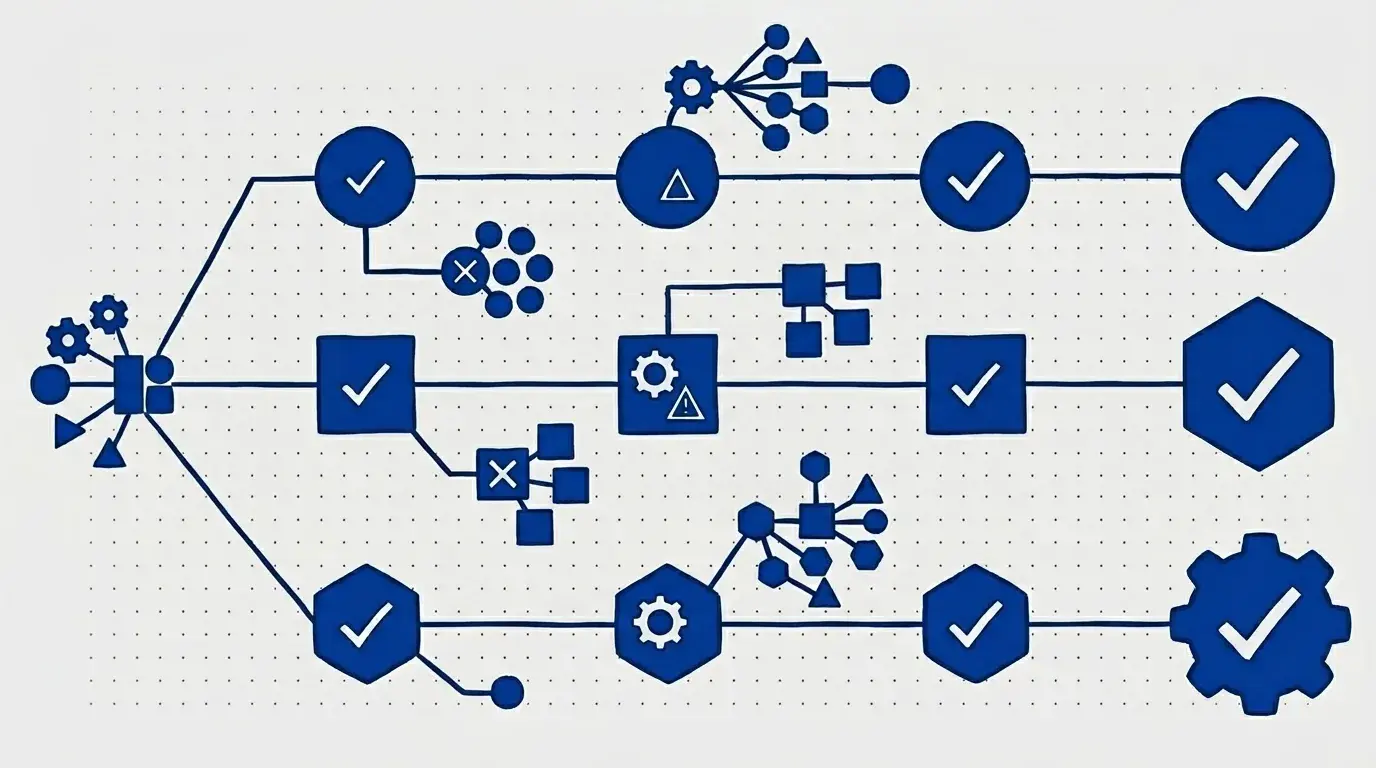
Abstract governance pipeline illustrating AI evaluation checkpoints and responsible oversight stages.

Most engagements run as embedded AI leadership for a defined number of days per month, typically over six to twelve months. Some start as a fixed-scope review — AI strategy, agentic AI or search architecture, model and vendor evaluation, or AI due diligence — with a written deliverable, and convert into ongoing work once we both see what is needed.

Tell us what AI decisions are in front of you and where you are in the process. Book a Discovery Call.

Fractional CAIO — Frequently Asked Questions

Common questions from founders, boards, and executive teams considering fractional AI leadership.

What does a fractional Chief AI Officer do?

A fractional CAIO owns the AI strategy, governance, and architecture decisions an executive team should not be making alone. The work spans AI roadmap and prioritization, model and vendor evaluation, build-versus-buy at the AI layer, responsible AI and governance frameworks, agentic AI and search architecture, AI team structure and hiring, and board-level communication on what AI investments will and will not deliver. It is judgment and leadership — not prompt engineering or model fine-tuning capacity.

How is a CAIO different from a CTO or CDO?

A CTO owns the full technology org and roadmap. A CDO owns data — pipelines, quality, governance, and the analytics that run on top. A CAIO sits between them and the business, owning the AI-specific decisions: which problems are worth solving with AI, which models and vendors to commit to, how to evaluate what is actually working, and how to govern the systems once they are live. In smaller companies, one fractional executive often covers more than one of these roles. In larger ones, the CAIO is the AI counterweight to the CTO and CDO.

How much does a fractional CAIO cost?

Engagements are scoped to the situation — typically a fixed number of days per month under a monthly retainer, or a fixed-scope AI assessment with a written deliverable. Cost depends on depth and duration, but a fractional CAIO is materially less than a full-time hire (which lands well into six figures plus equity) and removes the long search and ramp time. We send a written scope and price before any commitment.

When do I need a fractional CAIO?

The pattern is usually one of these: the board is asking what your AI strategy is and you do not have a defensible answer; you are about to commit to a major AI vendor, platform, or build and want senior judgment before you sign; your team is shipping AI features but you cannot tell which ones are actually working; you are operating in a regulated or mission-sensitive space and need responsible AI governance before scale; or agentic AI systems or search are core to your product and you need a leader who has shipped them. If two or more are true, a fractional CAIO is usually the right call.

How fast can you start an AI Officer engagement?

Most engagements start within one to three weeks of an initial discovery call. Fixed-scope AI assessments — strategy review, model and vendor evaluation, agentic systems review, AI readiness — typically begin the same week. We will tell you on the first call whether we are the right fit and what a realistic start date looks like.

Ready to talk?

Tell us what AI decisions are in front of you and where you are in the process. We will get back to you within one business day.