Faster, IC-ready answers before the deal — and senior technical leadership that drives value across the hold. One team for diligence and the portfolio.
Investors and acquirers face the same technology twice: once before the deal, when you need conviction the target's architecture and team can carry the thesis — and again across the hold, when that thesis only pays off if the engineering actually executes.
Most firms solve those two moments with two different sets of people: a diligence vendor who disappears at close, and a scramble to find portfolio-company technical leadership when something starts to slip. Develomentor covers both — the same senior practitioners who pressure-test the technology before you sign can lead it after you own it.
Whether you are a VC, growth-equity, or private-equity investor, or a corporate acquirer building by acquisition, you get one team that already knows the codebase, the roadmap, and where the risk lives.
How Develomentor Works With Investors and Acquirers
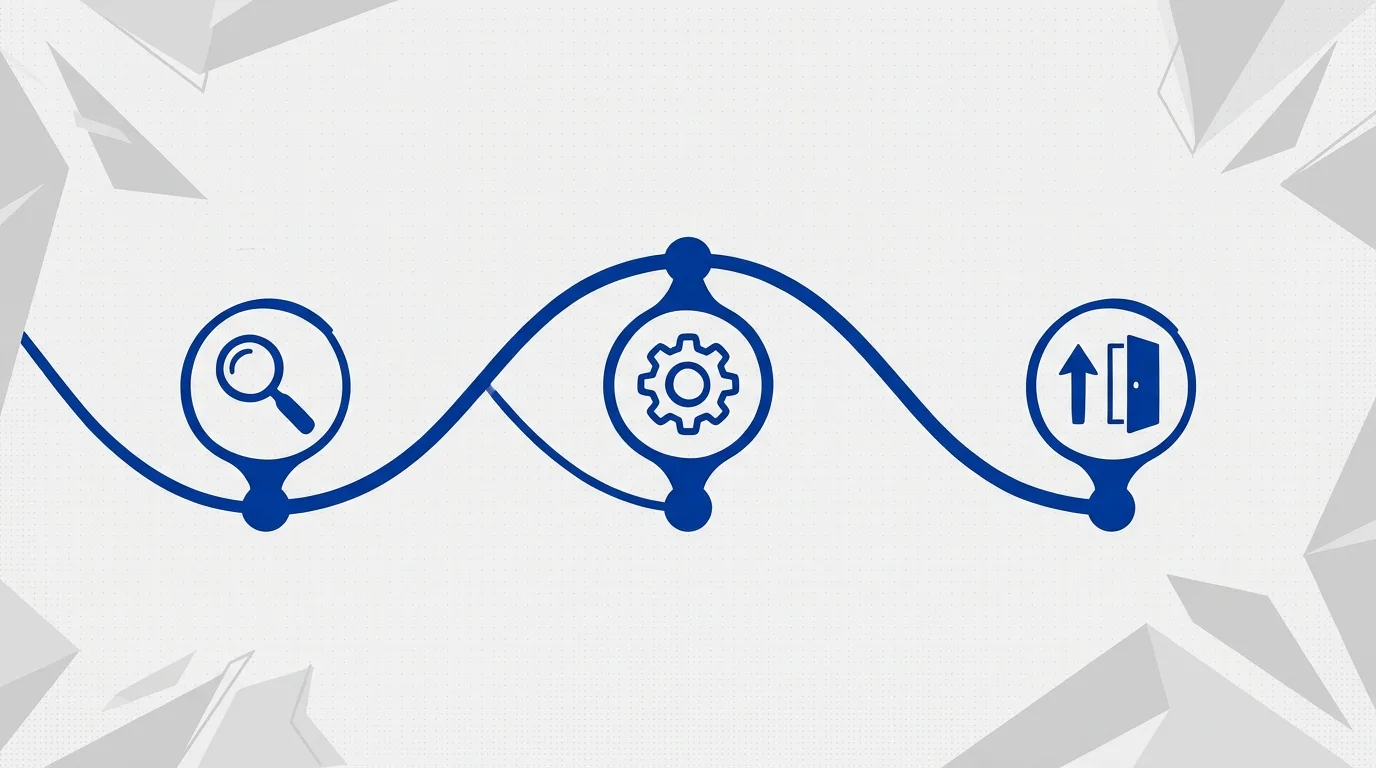
Investors and acquirers do not buy technology for its own sake — you buy a thesis, and the technology either carries it or quietly undermines it. Develomentor gives you senior, operator-grade technical judgment at both moments that decide whether that thesis pays off: the conviction call before you sign, and the value-creation work across the hold. The same team that pressure-tests a target’s architecture, team, and roadmap can lead that technology after you own it — so the diligence findings turn into a plan, and the plan turns into execution.
Before the deal: faster conviction, IC-ready answers
When you are in diligence, you need a clear read past the seller’s narrative on a deal clock. Our technical due diligence is fixed-scope and fast — often two weeks or less — and the deliverable is written to be read by an investment committee or board without translation: where the architecture will break under your thesis, which engineers carry the institutional knowledge, the realistic remediation cost in dollars and quarters, and a plain read on whether the technology supports the investment case. We are retained directly by funds including Munich RE, Berenson Capital, and Serent Capital, and we run both buy-side and sell-side diligence. For the full scope, timeline, and how to start, see our M&A technical due diligence offering — and for a worked example, our enterprise search due diligence case study, a deal where retrieval and relevance expertise surfaced platform risk that materially shaped the transaction.
Across the hold: technical leadership that creates value
The thesis is earned after close, not at signing — and that is where most diligence relationships end and a gap opens up. Develomentor stays. The same practitioners can step in as fractional technical leadership at the portfolio company: setting architecture and roadmap, leading the engineering team, hardening security and infrastructure, closing the exact gaps the diligence surfaced, and reporting progress back to your deal team in business terms. Because the engagement is led by senior practitioners matched to the company’s situation — fractional CTO, CPO, CDO, or specialists in search, ML, security, and infrastructure — a portfolio company gets executive-grade technical leadership without the cost or six-month search of a full-time hire. See fractional CTO leadership for how these engagements are structured.
For the fund: a standing technical partner
For firms doing technology deals at volume, a consistent partner beats a fresh vendor on every transaction. We can act as a technical advisor to the fund — validating theses, running repeated diligence across a pipeline, and conducting portfolio-wide technical reviews — carrying context from deal to deal so the read gets faster and sharper over time. One team, across the whole arc of ownership: conviction before you sign, leadership while you hold, a clear-eyed technical story when you exit.
Common questions from private equity, growth equity, venture, and corporate development teams.
How fast can you turn around technical due diligence?
Most technical diligence engagements are fixed-scope and fast — often two weeks or less from kickoff to readout, and we build the timeline around your deal calendar. If you need findings before an investment committee date, we tell you on the first call whether that is realistic and scope the work to hit it. The deliverable is written to be read by an IC or board without translation. See our M&A technical due diligence page for the full scope and how to start.
Do you work for buyers or sellers?
Primarily buyers — private equity, growth equity, venture, and corporate acquirers who need an independent read past the seller’s narrative. We also run sell-side and vendor diligence so a seller can go to market with a clear-eyed, defensible picture of their own technology. We are retained directly by funds including Munich RE, Berenson Capital, and Serent Capital.
Do you support portfolio companies after close?
Yes — this is the half of the investor relationship most diligence firms never touch. After the deal, the same team can step into ongoing technical leadership at the portfolio company: setting architecture and roadmap, leading the engineering org, closing the gaps the diligence surfaced, and reporting back to the deal team in business terms. Value creation is where the thesis is actually earned, and we staff it with the practitioners who already know the company.
Can you act as a fractional CTO for a portfolio company?
Yes. A fractional CTO is often the right post-close move for a portfolio company that is too early or too lean for a full-time executive but cannot afford to drift technically. We embed a senior practitioner — fractional CTO, CPO, CDO, or a specialist in search, ML, security, or infrastructure — matched to the company’s situation, leading the team and the technical decisions that compound. Explore fractional CTO and our broader fractional leadership for how these engagements are structured.
Can you advise the fund directly, not just a single deal?
Yes. Beyond a single transaction, we act as a technical advisor to the fund — a standing senior technologist your deal and operating teams can pull into thesis validation, market and platform questions, repeated diligence across a pipeline, and portfolio-wide technical reviews. For firms doing technology deals at volume, a consistent diligence partner who carries context across deals is faster and sharper than a fresh vendor each time.
How is this different from a big diligence or advisory firm?
Our diligence is run by operators who led engineering organizations, not by analysts working from a checklist. The people who write your risk assessment are the same caliber of practitioner who could run the remediation — so the findings are grounded in what it actually takes to fix them, in dollars and quarters. And because that team can carry into the hold, you are not re-explaining the business to a new vendor every time the technology matters.
How quickly can you start once we are in LOI?
Usually within days. Diligence is time-sensitive and we staff it that way. Send the transaction details and your timeline through the form and we will confirm availability and scope within one business day.
Ready to talk?
Tell us about the deal or the portfolio company and your timeline. We will get back to you within one business day.