
The situation
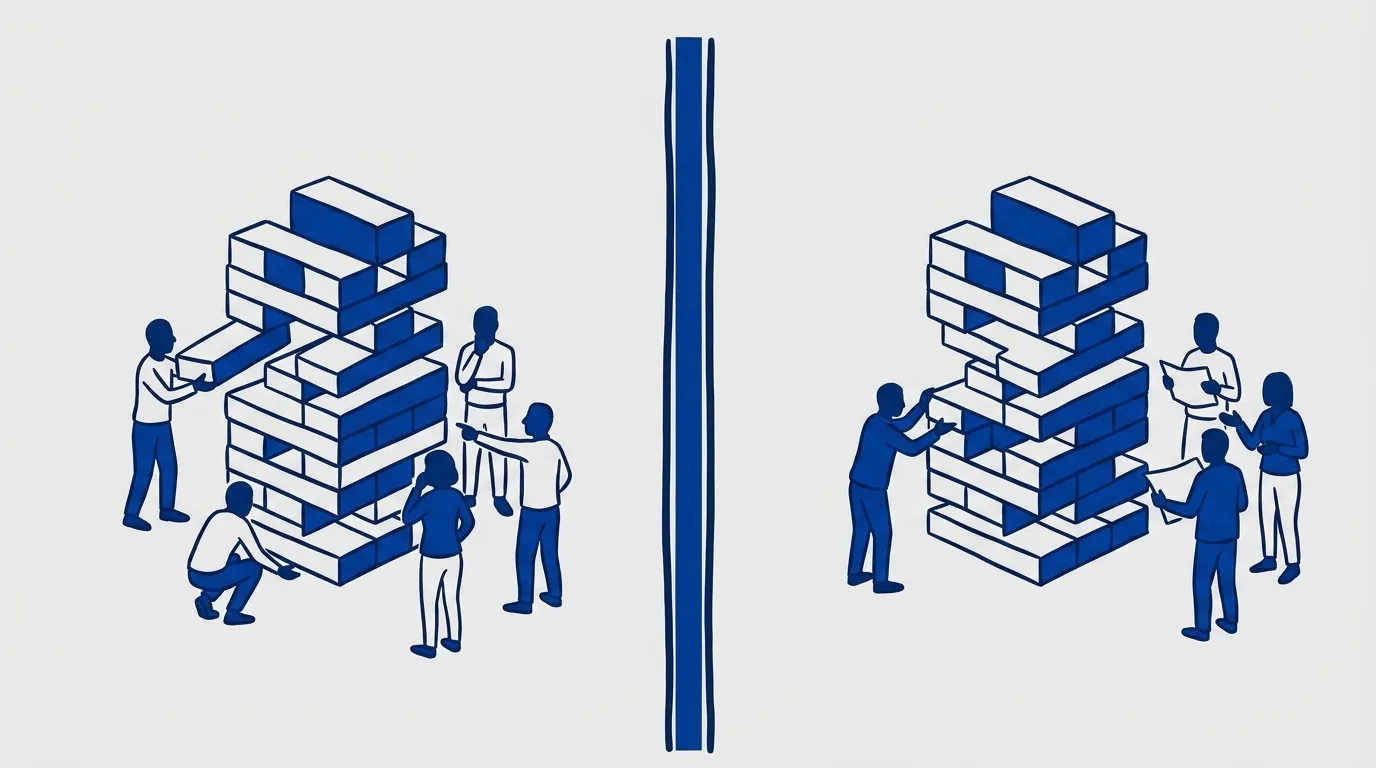
A national media organization — a mission-driven org operating digital content platforms at significant audience scale — had several internal technology organizations competing over the platforms they were supposed to share. Delivery slipped. Fingers were pointed. Trust eroded. The shared platform that the internal teams depended on had become a battleground.
Budget management was opaque. Leadership could not easily answer questions like “How much does it cost annually to run this platform?” Technology spend was spread across cost centers in separate organizations, with vendor contracts and cloud infrastructure charges that no single person owned end-to-end.
Multiple leadership transitions had left the technology strategy unclear. When asked, many engineers said they did not know what the organization’s product and tech vision actually was. Mission-critical systems were running with inadequate QA and Product oversight, creating reliability risk during the high-traffic moments that mattered most. Trust in technology was eroding at the worst possible moment — a digital-first transition demanded the opposite.
Why they called us
A referral brought them to Develomentor. The work needed someone who could read the code, reason about the system as a whole, talk to the people, look at the budget, and hold all four views together — without parachuting in with a generic consulting framework.
What mattered most was the combination of experience running product-and-engineering organizations at similar scale, experience inside larger mission-driven organizations, experience leading engineering culture change, and a team approach broad enough to cover an organization this size in a 90-day window.
What we did
The engagement ran in the same 90-day window a new executive would use to assess and act upon joining an organization. Develomentor staffed it as a team. A Develomentor Fractional CTO served as engagement lead, running most stakeholder interviews, big picture system design and the organizational and culture workstreams. A Technical Lead owned the codebase reviews, architecture analysis, and engineering standards assessment. Grant Ingersoll served as Supporting Fractional CTO, contributing to stakeholder interviews, budget analysis, organizational assessment and architecture choices.
We ran weekly governance check-ins with senior leadership the entire time — tracking hours against budget, surfacing open questions, and previewing findings as they developed. Leadership saw emerging conclusions as they formed, not all at once at the end.
The work ran across four coordinated workstreams.
Discovery and stakeholder interviews
Dozens of individual and small-group interviews across senior leadership, management, key stakeholders, and individual contributors. We reviewed all-staff recordings and organizational history, and ran a team-wide survey to get more insights from individual contributors.
The survey surfaced cultural patterns that were hard to dismiss once quantified. Roughly 60% of technical staff spent at least one full day a week in meetings. Approximately 40% spent more than a quarter of their time each week on firefighting and tech debt. The internal competition for resources came up in interview after interview as a major blocker for getting work done.
Numbers like that turn “we have a meeting problem” and “we have a tech-debt problem” into a data-backed case for sharper focus and resolving longstanding culture issues.
Technical deep dive
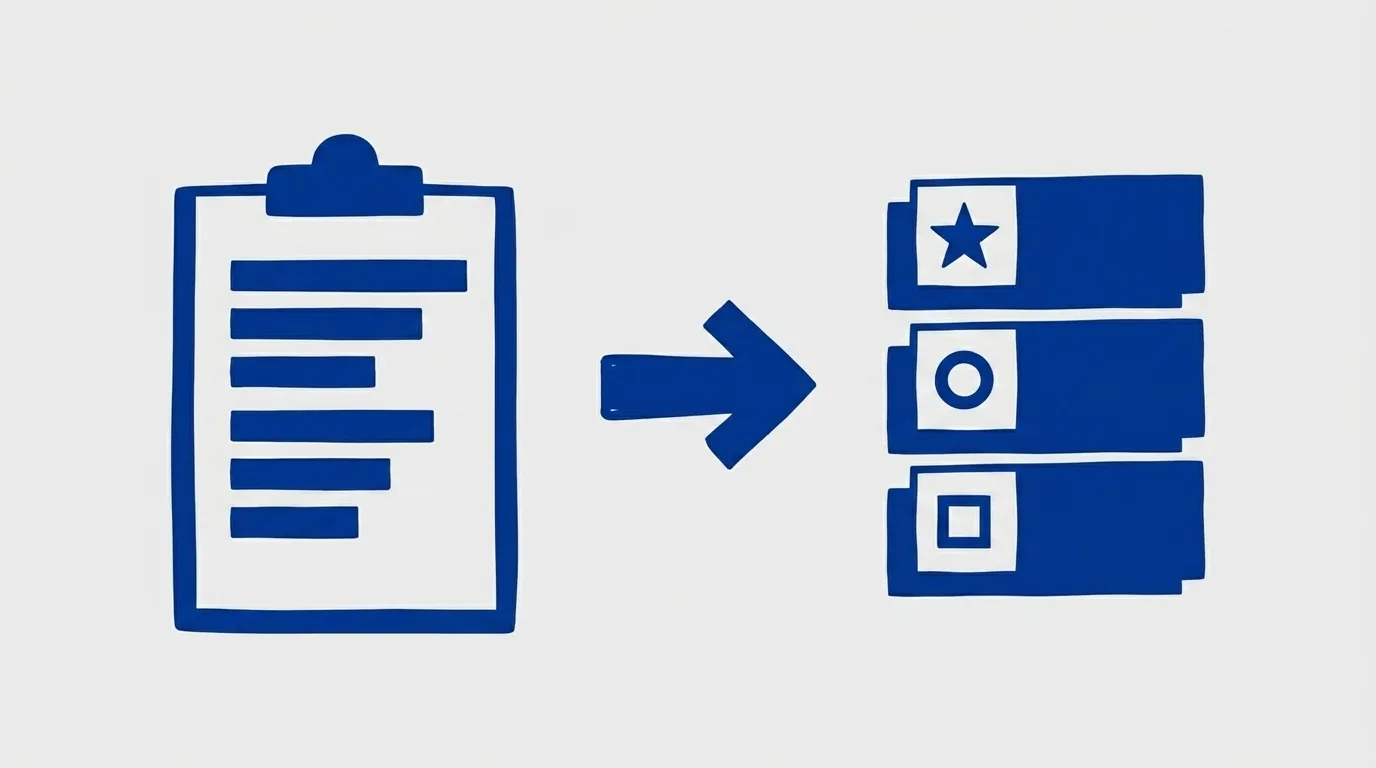
We did a hands-on review of codebases, architecture, roadmaps, security and engineering processes across a number of major platforms — the CMS, internal content tooling, the main end user facing platform, the mobile app, the APIs, the content personalization and recommendation service, and the cloud deployment architecture underneath all of it.
Budget and cost analysis
We analyzed budgets across the internal technology organizations, vendor contracts, and cloud infrastructure spend, and attempted to map full system lifecycle costs across fragmented cost centers. The diagnostic itself was a finding. Budget questions about their own critical platforms were often difficult to answer — and we could now show them exactly why.
Organizational design and culture assessment
We evaluated team structure, decision-making patterns, management effectiveness, and culture. The output was three restructuring options with explicit trade-off analysis — unifying the Product & Technology Org, aligning Value Streams to the mission, and Functional Unification First — together with specific leadership recommendations.
Final deliverables included a comprehensive presentation to senior leadership covering executive summary, core recommendations across vision and strategy, budget discipline, organizational culture, organizational structure, technology and architecture, and build-vs-buy; a written software assessment document covering all major platforms with strengths, gaps, and platform-specific recommendations; the survey results analysis; the three restructuring options; and a build-vs-buy decision framework with criteria and required questions for any major build decision going forward.
The result
Leadership received a thorough, evidence-based assessment — backed by dozens of interviews, a team-wide survey, and hands-on code review of a number of major platforms — that clearly named the structural and cultural dynamics holding the organization back, and a concrete prioritized action plan they could act on.
The single highest-priority recommendation: consolidate the competing teams around the shared platform and directly address the dynamic between the internal technology teams that had been fragmenting delivery and culture for years. Naming it as a structural problem — not a personnel problem — gave leadership a path to act.
The technical signal was equally clear: build around a number of emerging core platform capabilities and teams that demonstrated engineering excellence - an internal benchmark leadership could point to as what “good” looks like inside their own organization.
What the organization gained, and can sustain after we leave:
- A named organizational diagnosis with specific root causes, rather than vague “culture problems.”
- A prioritized action plan with the highest-priority item clearly stated.
- A build-vs-buy decision framework with organization-specific criteria, applicable to every future platform decision.
- Engineering standards recommendations, including AI-assisted testing as a lever for raising coverage without proportional headcount.
- An internal model — a team and a platform — that could be referenced to show what good engineering looks like inside their own walls.
What this means for you
If you are a CTO, VP Engineering, or incoming CPTO at a mission-driven media organization or nonprofit digital platform, and you have inherited a fragmented technology organization, this pattern is yours: duplicated systems, contested ownership, multiple internal technology teams competing for resources and blaming each other for failures, all of it the residue of multiple leadership transitions.
Here is the part you may already suspect but have not been able to prove: that pattern is not a personnel problem. It is not a cultural quirk. It is a structural problem, and structural problems have structural solutions. The path forward is not a 12-month reorg. It is a clear-eyed diagnosis followed by a specific, prioritized first move.
You do not get there by parachuting in a large consulting firm with a generic framework. You need someone who will read the code, talk to the team, look at the budget, and respect the mission — and still tell you the truth, including the parts that are hard to hear.
If that sounds like your situation, tell us what you are seeing. Book a Discovery Call.